
The fig is one of the most delicate and perishable fruits grown — soft, thin-skinned, with an open eye that invites infection, and a shelf life often measured in days. Its two great enemies are rapid softening and fungal rot. In a 13-day cold-storage trial the stakes were stark: untreated figs lost nearly half their weight to infection, while Renova-treated figs held firm — more than double the firmness of untreated fruit — and one Renova dose recorded no infected weight at all. Renova is a botanical treatment that fights both softening and decay at once.
Two ways a fig is lost — and one treatment for both
A fig is finished by softening or by rot, and usually both arrive together. Enzymes break the flesh down from within, while fungi enter through the fruit’s open eye and spread through the box. Renova’s botanical actives — including D-limonene, with documented antifungal activity — address both at once: holding the flesh firm while suppressing decay. Fig is a climacteric fruit, yet 1-MCP barely helped — lifting firmness only 23.4% and performing no better than untreated fruit, because blocking ethylene does nothing about the softening and rot that actually finish a fig.
The enzyme pathways Renova targets
Fig deterioration is enzymatic and oxidative — the cell walls break down, the skin browns, and membranes collapse into souring. Renova acts across these pathways together, while its botanical actives work against the fungi that cause decay.
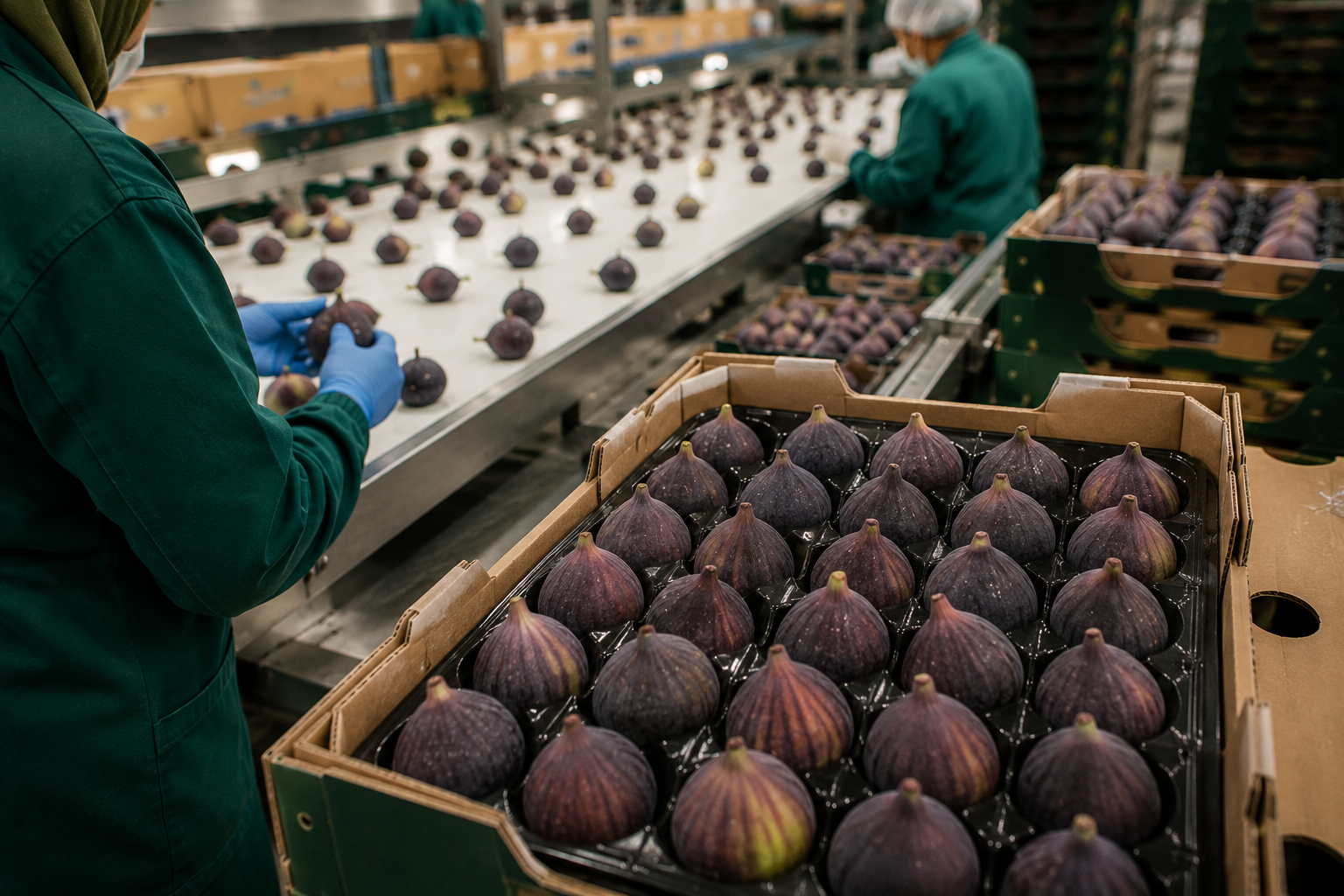
Zero rot, double the firmness
The trial’s two headline results speak for themselves. On firmness, Renova-VOL EP 10 ml/L reached 5.13 kg/cm² — 112% above untreated fruit, more than doubling it, and statistically far ahead of both control and 1-MCP. On decay, Renova-VOL EP 5 ml/L recorded zero infected fruit weight — complete disease suppression — against 47.4% of the untreated fruit’s weight lost to infection. Together they point to a simple dual protocol: the higher dose for maximum firmness, the lower for the strongest decay control.
Proven in a 13-day cold-storage trial
Trial Hi Cell FI 02/04/2026 — fig, held 13 days in cold storage at 3–5 °C across eight treatments and five lots each. Renova-VOL and Renova-VOL EP were evaluated across a dose range against 1-MCP and an untreated control, measuring both firmness and infected fruit weight.
The bottom line: Few fruits are harder to keep than the fig — soft, thin-skinned, and open to infection from the moment it ripens. This trial showed the stakes plainly: left untreated, nearly half of each fig’s weight was lost to rot. Renova changed both outcomes at once — more than doubling firmness, and at one dose eliminating infection entirely. For a premium fruit that usually cannot survive the journey to market, that is what turns a local delicacy into an export.